Čachtice Castle
A History of the Vampire in Popular CultureČachtice Castle was both a noble residence and the confinement site at the center of the Elizabeth Báthory story. Gifted to Elizabeth by her husband and his family, it became associated first with aristocratic authority and estate management, then with sensational allegations that transformed a politically vulnerable woman into the supposed Blood Countess of vampire lore.
Residence and Estate
Elizabeth Báthory moved to Čachtice Castle in Slovakia after marrying Count Ferencz Nádasdy at the age of fifteen. The castle was presented to her as a wedding gift by Ferencz and the Nádasdy family, and it formed part of the landed world that supported the couple’s wealth and status. Báthory belonged to the ruling family of Transylvania and was the niece of the King of Lithuania-Poland; her family was among the oldest and richest in the region, while she herself was highly educated.
The castle was not merely a private domestic setting. During the Long Turkish War, while Ferencz was away fighting, Elizabeth was left responsible for the defence of his estates. The properties lay along the politically important route to Vienna and had previously been plundered by the Ottomans, making administration and protection serious obligations rather than ceremonial duties. Báthory also appears to have taken responsibility for people living under her jurisdiction, personally intervening in cases involving destitute women, including one concerning a woman whose daughter had been raped and impregnated.
From Noble Household to Political Target
Ferencz Nádasdy died during the war, although not from a battle wound: he reportedly dropped dead from an unknown illness while the fighting was under way. His death radically altered the significance of Čachtice Castle. As a widow, Elizabeth became one of the richest and most powerful people in the region, not simply one of its most powerful women. The castle therefore stood within a larger contest over wealth, inheritance, influence, and political succession.
Elizabeth’s cousin Gabor sought the throne, and an alliance between him and his wealthy, powerful relative could have threatened other claimants. György Thurzó de Bethlenfalva, the Lutheran Palatine of Hungary, consequently undertook the effort to remove Elizabeth from political life. Rumours about her conduct had circulated since the early 1600s, but the stories intensified after Ferencz’s death, when her widowhood and the power concentrated in her castle made her especially vulnerable to political suspicion.
The Castle and the Blood Legend
The most famous story attached to Čachtice Castle claimed that Elizabeth had young girls and women murdered so that she could bathe in their blood as a medieval skincare treatment and preserve her youth. Other tales described servants beaten until they died from blood loss, flesh sliced from the buttocks of victims who were then forced to cook and eat it, and the lips and tongues of unfortunate people sewn shut. These narratives made the castle function as a Gothic chamber of hidden cruelty, turning aristocratic enclosure into imagined evidence of vampiric appetite.
The book treats the blood-bathing legend as almost certainly false. The only supposed proof for the accusations came from members of Elizabeth’s closest staff, nearly all of whom were tortured into confessing. No genuine evidence was produced that Elizabeth had been caught committing the alleged crimes. The legend also fails on practical grounds: killing and draining enough people to fill even a shallow bath would have required enormous manpower, while blood coagulates rapidly and unevenly, producing a cold, lumpy, foul-smelling and potentially disease-bearing mixture rather than a plausible beauty treatment.
Confinement and Historical Meaning
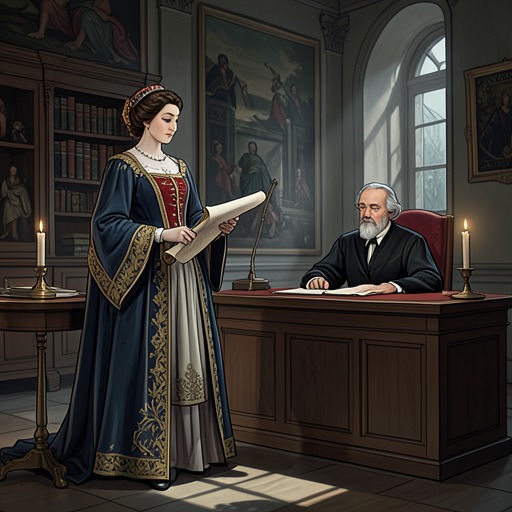
Thurzó disregarded ordinary legal procedure, and Elizabeth was not permitted to speak in her own defence at trial. Yet she was not executed. Instead, she was locked inside Čachtice Castle, the same residence that had represented her authority and independence, and died there four years later. The castle thus became both the scene of her alleged crimes and the instrument of her political removal, although the evidence supporting the accusations was profoundly compromised.
Čachtice Castle’s lasting significance lies in this reversal. It is remembered through a vampire legend, but the episode described in the book is more securely understood as an example of political machination producing group-think and near-hysteria. In an era with little legal protection, women could be used as pawns in struggles for power; a strong-willed woman was already unsettling to a patriarchal society, and a woman whose husband trusted her judgement was more threatening still. The castle preserves that contradiction in symbolic form: a fortified household associated with Elizabeth’s competence, wealth, and jurisdiction was later recast as the Gothic prison of a monstrous woman who was probably never the blood-bathing predator the legend made her.